Stop the invisible leak. Start capturing the savings you already own.

Turn Your HVAC Plant Room Into a Profit Center

Not a Cost Burden. Stop losing lakhs every month to inefficiency. Nirvay’s data-driven optimization cuts energy bills by up to 40%, boosts reliability, and helps you hit sustainability targets — all without replacing your existing system.

SAVINGS

22000 M

40M last 30 days

tCO2e EMISSIONS SAVED

0 M

Tonnes

321K last 30 days

ENERGY SAVINGS

30 KWh

402M last 30 days

pumps connected to pump manager

100

Pumps

Turn Your HVAC Plant Room Into a Profit Center

Not a Cost Burden. Stop losing lakhs every month to inefficiency. Nirvay’s data-driven optimization cuts energy bills by up to 40%, boosts reliability, and helps you hit sustainability targets — all without replacing your existing system.

Why Choose us ?

Every Month You Wait, You’re Losing Money. Inefficient HVAC plant rooms silently drain your profits. For a 500TR system, that could mean ₹20–30 lakhs wasted every year. Add rising energy costs, stricter ESG requirements, and the risk of downtime — and waiting is no longer an option.

The Nirvay Difference

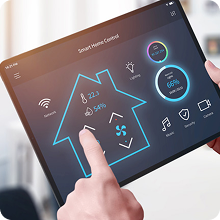
Make data-driven decisions that optimize your HVAC performance, reduce energy waste, and lower operational costs with our real-time insights and smart automation controls.

Peak System Reliability

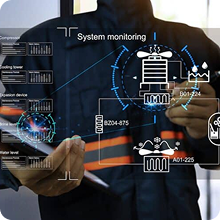
Predictive maintenance and live monitoring ensure your HVAC system runs smoothly, preventing breakdowns and reducing downtime, leading to long-term cost savings.

 Verified Sustainability

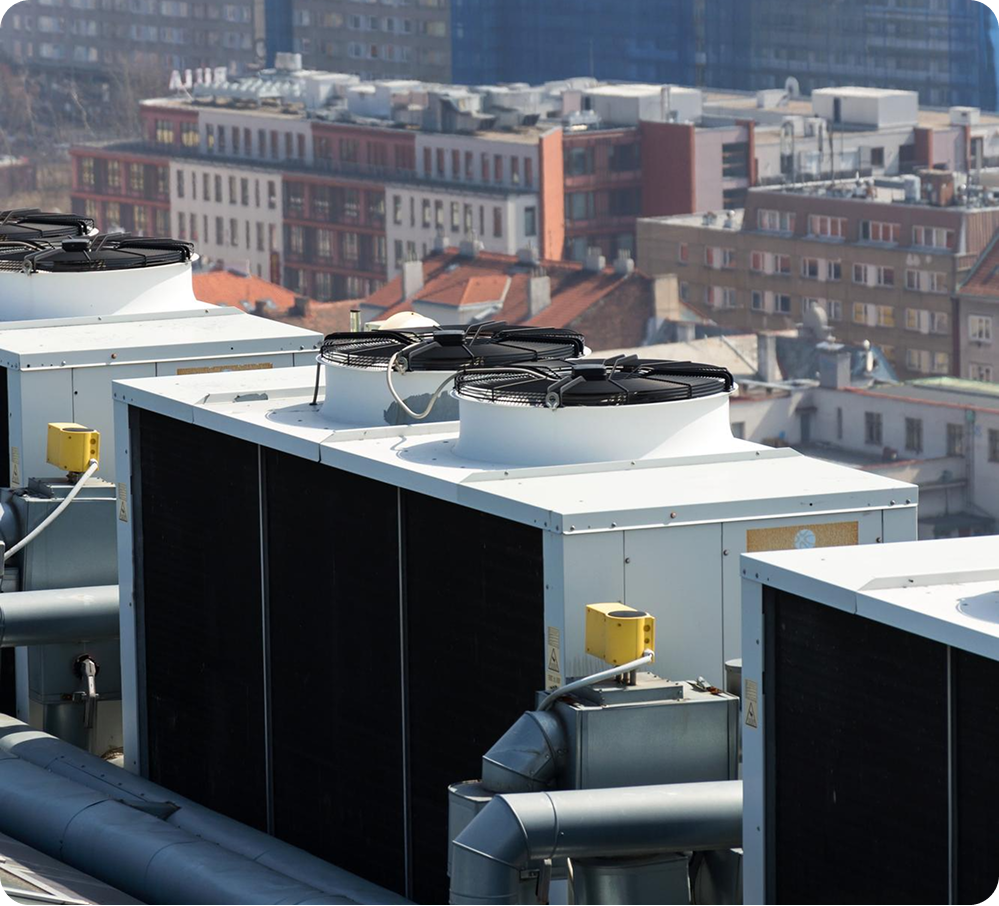
Track energy savings and CO₂ reduction in real-time, helping you achieve sustainability goals and enhance your ESG (Environmental, Social, and Governance) reporting.

Our Optimization Capabilities

Our comprehensive HVAC optimization platform delivers measurable results across three key areas that matter most to your business.
Why Nirvay Solutions Stands Out in HVAC Optimization

While others focus on individual products, we offer a holistic, data-driven HVAC optimization solution that enhances energy savings, improves system reliability, and supports sustainability goals.

The Problem

What That Causes

How Nirvay Fixes It

Transform Your Building Operations

Our comprehensive HVAC optimization platform delivers measurable results across three key areas that matter most to your business.

Step 01

Diagnose

We start with an ROI Audit to identify energy losses, inefficiencies, and operational risks in your HVAC system.

Step 02

Optimise

Using real-time monitoring and AI-driven controls, we fine-tune system performance for efficiency, comfort, and cost savings.

Step 03

Maintain & Prove

We ensure peak performance through predictive maintenance, 24/7 monitoring, and detailed reporting on savings and sustainability impact.

Average Energy Savings
10 %
Continuous Monitoring
10 /7
System Uptime
90.9 %+

Your Partner in Transforming HVAC Performance with Data

At Nirvay Solutions, we have a long-standing tradition of transforming HVAC systems to be smarter, more energy-efficient, and sustainable. With decades of expertise in building performance, we have helped hundreds of commercial buildings reduce energy costs and meet their
environmental goals.


Whether through our advanced optimization dashboards or tailored system upgrades, we provide clients with innovative solutions that make a real difference in performance
and savings.

We’re Proud to Share What Our Clients Have to Say

Our clients’ feedback speaks volumes about our commitment to HVAC optimization and data-driven performance. Discover why industry leaders trust Nirvay Solutions to optimize their building’s HVAC systems.

Our Clients

At Nirvay Solutions, we partner with leading organizations to deliver HVAC optimization that boosts efficiency, lowers costs, and supports sustainability for long-term success.


Trusted by Businesses for Scalable, Results-Driven Solutions.

Delivers innovative, scalable solutions that foster business growth and drive impactful results across various industries.

Industry Insights and Updates

Stay ahead with the latest trends, solutions, and advancements

The True Cost of Inefficient HVAC: ₹2–4 Crores Lost Over 10 Years

The True Cost of Inefficient HVAC: ₹2–4 Crores Lost Over 10 Years

Most building owners and CFOs look at the HVAC plant room as just a line item — a fixed, predictable operating cost.

But what if I told you that behind the noise of pumps and chillers, a silent leak is draining ₹2–4 crores from your balance sheet over the next decade?

This isn’t theory. We uncover it in audits every single day.

Where Does the Money Go?

  1. Overconsumption of Energy
  • Plants designed for 0.65 kW/TR often operate at 0.9 or higher.
  • For a 100,000 sq. ft. building, that 0.25 gap means ₹15–25 lakhs in extra energy bills every year
  1. Early Replacement of Equipment
  • Oversized pumps, throttled valves, and manual-mode chillers push equipment harder than necessary.
  • Replacement cycles shrink from 15 years to 7–8 years, doubling capital costs.
  1. Hidden Maintenance Premiums
  • Poor ΔT and excess flow foul coils faster, strain towers, and cause pump cavitation.
  • Maintenance budgets climb by ₹8–12 lakhs annually, but no one ties it back to plant design.
  1. Demand Penalties
  • Peak demand charges = 50–80% of your monthly electricity bill.
  • Poorly tuned plant rooms add ₹3–5 lakhs per year in penalties alone.

Total financial impact: ₹2–4 crores lost over 10 years.

Why Traditional Approaches Don’t Work

  • Design Promises ≠ Reality


Plants are commissioned to spec sheets, not to real operating conditions.

  • Audits Rarely Speak in ₹


Most reports stop at technical jargon; very few translate into ROI language.

  • No Feedback Loop


Once handed over, no one systematically tracks kW/TR, ΔT, or lifecycle costs.

What Astute CFOs Are Doing Differently

  • Demand Performance Data, Not Just Certificates


Benchmarks like kW/TR, W/TR, and ΔT should be tracked quarterly, just like P&L.

  • Link Energy Savings to Capex Decisions


Optimisation investments of ₹10–25 lakhs often unlock ₹30–50 lakhs in annual savings.

  • Turn the Plant Room Into a Profit Center


Every kilowatt saved = free cash flow. Over time, the plant room funds itself.

The ROI Audit: A CFO’s Shortcut

At Nirvay Solutions, we specialise in ROI-driven performance audits:

  • 30-day diagnostic to uncover hidden energy leaks
  • Translate kW/TR gaps into ₹ terms
  • Show the 10-year impact on energy, maintenance, and equipment life


Case in point — a university campus:

  • Achieved 44% pump energy savings in 3 months
  • Forecast ₹1 crore annual savings with full plant optimisation
  • Extended equipment life by 7 years

The Bottom Line

Your HVAC plant room is not a sunk cost.
It’s either:

  • Quietly leaking crores… or
  • An asset generating savings year after year.

The difference lies in whether you choose to measure and optimise, or not.

Next Step

Schedule a 30-minute strategy call to see how much of your plant room’s ₹2–4 crore leak
can be stopped.

How to Fix the Problem of 70% of Plant Rooms Not Meeting Design Specs

The HVAC Design Expert’s Problem

Every HVAC design expert starts out with good intentions.

  • The load is carefully figured out.
  • The head and flow are chosen with care.
  • The ΔT is set to be as efficient as possible.
  • The COP goal is to provide value over the long term.

Everything looks great on paper. But when the project is finished and the plant room starts working, something uncomfortable happens:

More than 70% of plant rooms don’t work as well as they were supposed to.

  • They don’t run at 0.65 kW/TR; instead, they tend to run at 0.9 or higher.
  • They don’t provide stable ΔT; instead, they fail under changing loads.
  • They work in manual mode instead of efficiently at part load.

What happened?

  • Owners have to pay more for energy.
  • Facility managers have to deal with fires.
  • People unfairly blame “bad design” on HVAC design experts.

This gap between what we want and what we get is more than just annoying. It costs clients crores, hurts reputations, and makes the professionals who made the system less trustworthy.

So, what causes it to happen, and how can it be fixed?

The Four Differences Between Design and Reality

  1. Design vs. Reality on the Site

Most HVAC design experts design pump heads conservatively, leaving room for error. But site conditions are different.

  • In most projects, the actual pump head needed is 20–25% less than what was planned.
  • That mismatch leads to overflow, ΔT collapse, poor chiller IPLV, and wasted energy.

For example:

  • Design head = 20 m at 1000 GPM
  • Actual head needed = 15 m
  • Result: ΔT drops from 6°C to 3.5–4°C → plant runs at 0.9 kW/TR instead of 0.65

A small 5 m mismatch costs lakhs every year.

  1. Drawings That Don’t Have Control Logic

Here is the harsh truth: a VFD without logic is just an expensive fixed-speed pump.

Tender documents often miss:

  • Reset plans
  • Control sequences
  • Sensor placement
  • Setpoint reset strategies

So what happens?

  • VFDs are installed but run at constant speed.
  • Pumps use almost all their power even at part load.
  • The 30–40% savings opportunity is lost.
  1. Shortcuts in Commissioning

A common story:

  • Projects are delayed. Owners push for handover. Contractors rush.

The result:

  • Pumps left in manual mode
  • Setpoints chosen randomly
  • Reset logics disabled


One study found that 60–70% of smart controls in Indian buildings stop working within the first year.
Not a design flaw — a commissioning failure.

  1. No Feedback Loop for Performance

Once the project is handed over:

  • No one tracks kW/TR
  • No one checks pump W/TR
  • No one monitors ΔT consistency

By the time owners complain, the HVAC design expert’s reputation is already at risk — without data to defend design intent.

The Financial and ESG Effects

For Owners & CFOs

  • ₹15–25 lakhs wasted annually on extra energy
  • ₹2–4 crores lost over 10 years
  • Equipment life cut from 15 years to 7–8

For HVAC Design Experts

  • Unfair blame for “bad design”
  • Loss of client trust
  • Harder to defend fees

For Facility Teams

  • Constant firefighting
  • Low morale from complaints

For Boards & Sustainability Leaders

  • Certifications without performance = greenwashing
  • ESG scores remain flat
  • Brand reputation suffers

This isn’t just a technical issue — it affects finances, reputations, and ESG leadership.

The Fix: A Framework That Puts Performance First

The solution is simple: shift from design promises → performance reality.

  1. Drawings First

Tender drawings must include control logic:

  • Hydraulic schematic with real site-based head assumptions
  • Control sequence for pumps, chillers, and towers
  • ΔT and reset strategies
  • Sensor placement
  1. Set Benchmarks Ahead of Time

Include performance KPIs in tender:

  • kW/TR goals
  • Pump W/TR standards
  • ΔT guardrails
  1. Do a 90-Day Test

Pilot one project:

  • Use a Design Support Pack (DSP) with schematic, sequence, and benchmarks
  • Validate results in 90 days
  • Build trust with data
  1. Verify Every 3 Months
  • Quarterly kW/TR tracking
  • Publish performance reports
  • Protect credibility with hard data
  1. The Design Support Pack (DSP)

At Nirvay Solutions, we partner with HVAC design experts:

  • Experts retain design authority
  • We provide micro-logic, ROI models, and benchmarks
  • Vendor-neutral, consultant-owned

Case Study Snapshot

At a leading university campus:

  • Pumps saved 70–80% energy at part load
  • 44% less energy used in 3 months
  • ₹1 crore annual savings potential
  • Equipment life extended by 7 years

The HVAC design expert was celebrated for defending ΔT at tender stage, gaining the owner’s trust, and securing repeat projects.

The Hero Is the HVAC Design Expert

Bad design doesn’t cause failure. Loss of design intent does.

When HVAC design experts adopt a performance-first framework:

  • They protect reputation
  • They reduce client complaints
  • They become trusted partners in performance

In a crowded market, that difference is everything.

The Bottom Line

More than 70% of plant rooms don’t meet design specifications. But this mistake can be avoided.

HVAC design experts can bridge design and reality with:

  • Drawings First
  • Performance Benchmarks
  • 90-Day Pilots
  • Ongoing Verification

Those who adopt this approach will be remembered as performance champions.

The Next Step

Let’s co-create a Design Support Pack pilot for your next project.
A low-risk way to make your design measurable and defendable on site.

Is Your HVAC Plant Room a Cost Burden or a Profit Centre?

Introduction: A Room You Forgot About That Controls Your Money

Most CFOs and building owners don’t think about the HVAC plant room when reviewing financial statements. It sits quietly under “Utilities” — just another line item, like water or security.

But the truth is, this quiet room in the basement is far more powerful than it appears. It’s not just a cost sink. Done right, it can be a profit centre — an asset that pays you back every single year.

The question is simple: Is your plant room quietly losing money, or actively saving it?

The Hidden Cost Burden

Plant rooms are designed with good intentions. But once operations begin, performance rarely matches design. More than 70% of buildings fail to achieve design performance, and this gap slowly drains your balance sheet.

  1. Too Much Energy Use
  • A plant designed for 0.65 kW/TR often runs at 0.9 or higher.
  • That 0.25 gap means a 100,000 sq. ft. building wastes ₹15–25 lakhs in energy costs annually.
  1. Replacing Equipment Too Soon
  • Oversized pumps, missing logic, and manual operation make equipment work harder.
  • Lifespan drops from 15–20 years to just 7–8 years.
  • That means doubling your Capex on chillers and pumps.
  1. Hidden Maintenance Costs
  • ΔT collapse, overflow, and coil inefficiency cause frequent breakdowns.
  • O&M budgets creep up by ₹8–12 lakhs annually.
  • Facility managers end up firefighting instead of managing proactively.
  1. Demand Penalties
  • Demand charges often make up 50–80% of monthly electricity bills.
  • Poorly tuned systems spike peak loads, adding ₹3–5 lakhs annually in penalties.

Overall Effect: ₹2–4 crores lost every 10 years — yet these losses rarely show up clearly in financial reports.

From Cost Centre to Profit Centre

Smart CFOs are changing the lens. They no longer see HVAC as an unavoidable cost. Instead, they view it as a resource that can be improved.

  • Every kilowatt saved = free cash flow.
  • Every year of equipment life extended = deferred Capex.
  • Every ESG point earned = stronger brand equity.

This isn’t about technical jargon. It’s about turning a “forgotten room” into a boardroom-level financial asset.

The Four Ways to Make Money

  1. Energy Efficiency
  • Optimised plants consume 30–40% less energy.
  • For a mid-sized facility, that’s ₹25–30 lakhs in annual savings.
  • The savings start immediately and compound year after year.
  1. Extending Asset Life
  • Proper control logic and flow management extend equipment life from 7–8 years back to 15–20.
  • That means ₹50–75 lakhs saved in deferred replacement costs.
  1. Reduced Downtime
  • Facility teams spend less time fighting breakdowns and more time ensuring occupant comfort.
  • For hospitals, IT parks, and retail — uptime is priceless. Downtime means lost revenue, penalties, and reputational harm.
  1. ESG and Brand Value
  • Boards today must prove sustainability, not just claim it.
  • Real-time performance data (kW/TR, CO₂ savings) feeds directly into ESG reporting.
  • Result: higher investor confidence, lower cost of capital, and stronger brand value.

Case Study: How a Leak Became a Stream of Savings

At a leading university campus, Armstrong DE pumps were installed and tracked for 3 months.

Results:

  • 70–80% pump energy savings at part-load
  • 2,60,238 kWh saved in one quarter (~₹26 lakhs)
  • Annualised potential: ₹90–100 lakhs
  • Equipment life extended by 7 years

The university realised its plant room was no longer an unpredictable cost — it had become a reliable profit generator.

Why Traditional Methods Don’t Work

Why do most plant rooms underperform?

  1. Design vs Reality → Actual site head 20–25% lower than design → overflow → ΔT collapse → wasted energy.
  2. Missing Control Logic → VFDs without reset plans or sensor logic.
  3. Commissioning Shortcuts → Pumps left in manual mode due to rushed handovers.
  4. No Feedback Loop → Post-handover, no one tracks kW/TR or W/TR regularly.

The result: Owners bleed money, facility managers firefight, HVAC design experts get unfair blame, and CFOs never see the true leak.

The ROI Audit: A Shortcut for CFOs

This is where a Performance ROI Audit delivers clarity.

  • Duration: 30 days
  • Process: Measure actual kW/TR, ΔT, and energy intensity
  • Output: A financial ROI model showing 10-year cost vs optimised savings

Typical Outcome:

  • Inefficient plant: 0.9 kW/TR → ₹12 Cr over 10 years
  • Optimised plant: 0.65 kW/TR → ₹7 Cr over 10 years
  • Net savings: ₹5 Cr → ROI of 100:1 compared to audit cost

The Bottom Line

Your HVAC plant room is not just pipes and steel hidden in the basement. It’s either:

  • A cost centre leaking ₹2–4 crores every decade, or
  • A profit centre that saves 30%, extends asset life, and boosts ESG scores.

The difference is in whether you choose to measure and optimise.

Smart CFOs already see HVAC not as “utilities,” but as a profit centre that protects shareholder value.

Next Step: Make the Change

Book a 30-minute ROI Audit call today:

  • Discover your plant room’s hidden leak
  • Translate performance into ₹ savings
  • Turn your basement into a boardroom-level asset

Because in today’s world, efficiency isn’t just about engineering — it’s about financial leadership.

Contact Us

Partner with us for innovative, scalable solutions built using leading technologies to accelerate your business growth and digital transformation.